Guides2 min read
Lab-grown or natural? And what your certificate tells you
Both are diamonds in every way that you can see or feel. Here is what actually differs, and how to read the paperwork.
We work with both natural and lab-grown diamonds, and every ring we make can be set with either. We don't think one is the grown-up choice and the other a compromise. They are two good options, and the right one depends on what matters to you.
The same stone, a different beginning
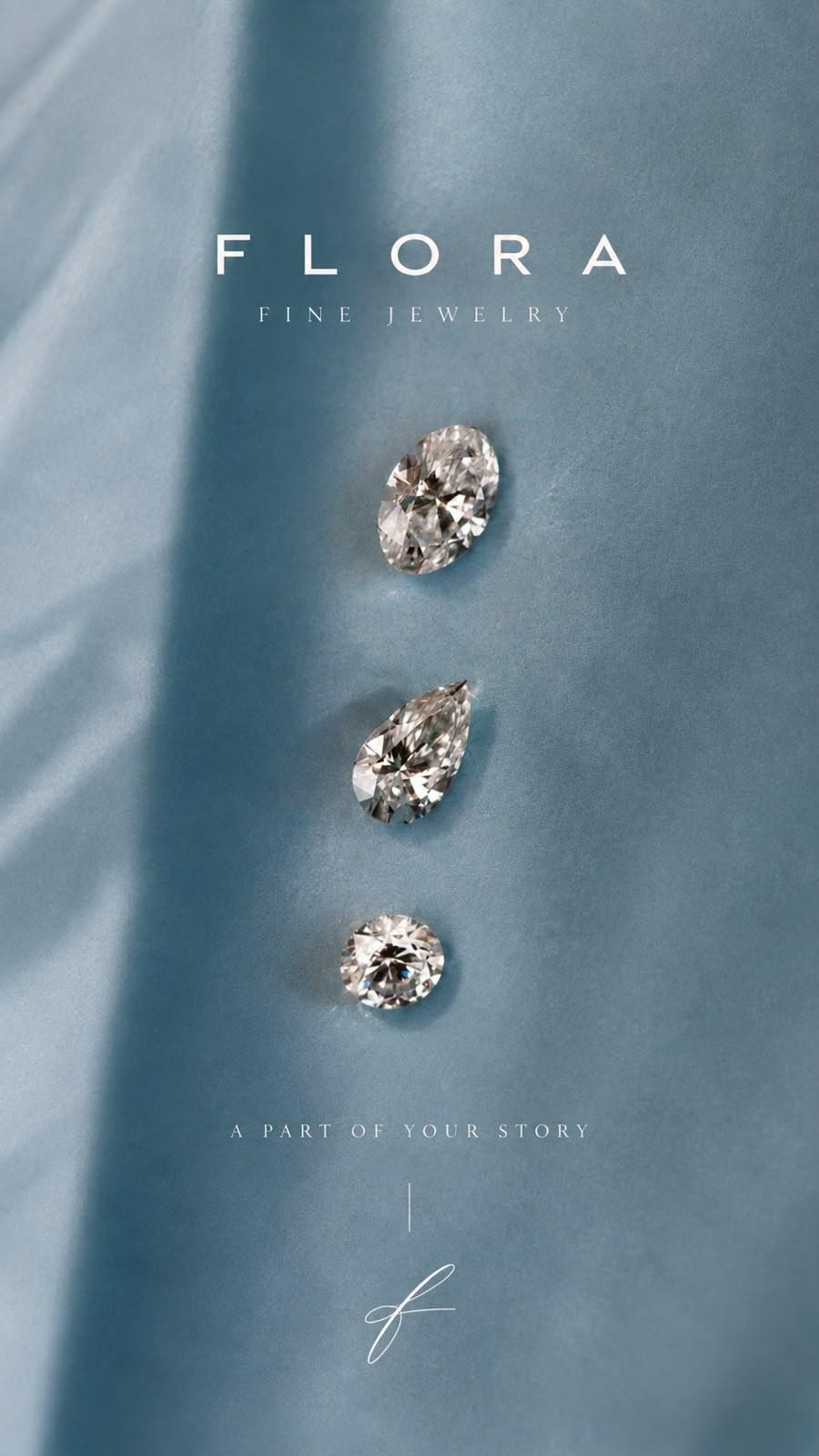
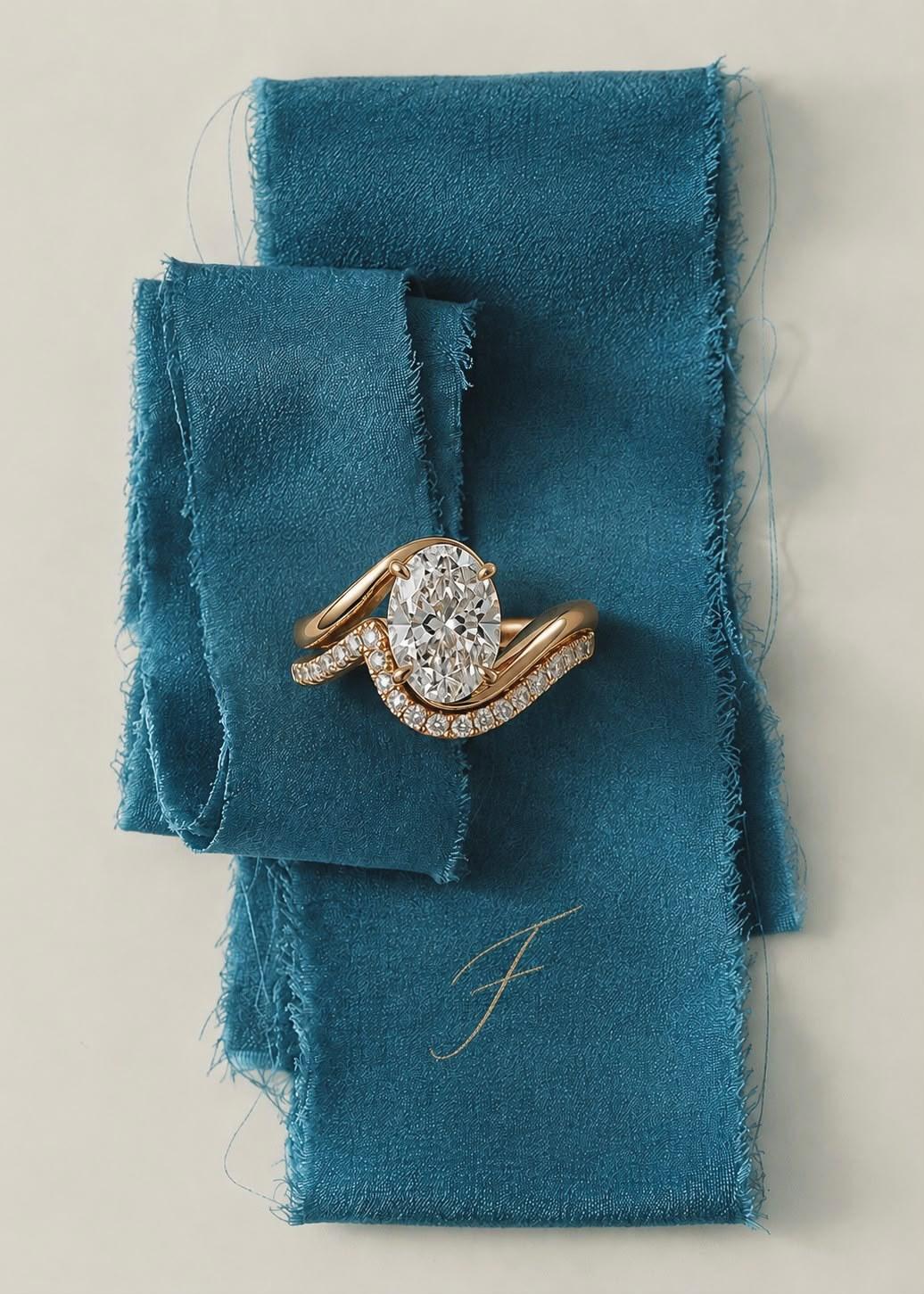
A lab-grown diamond is not a lookalike. It is crystallised carbon, just like a natural diamond, with the same hardness, the same way of handling light and the same durability for everyday wear. The difference is where it formed. A natural diamond grew deep in the earth over an extraordinarily long time. A lab-grown diamond was grown above ground under carefully controlled conditions, in weeks rather than ages.
Side by side, you cannot tell them apart by eye. Even a trained jeweller needs specialist equipment to confirm which is which, which is exactly why certification matters.
How to choose
Choose lab-grown if
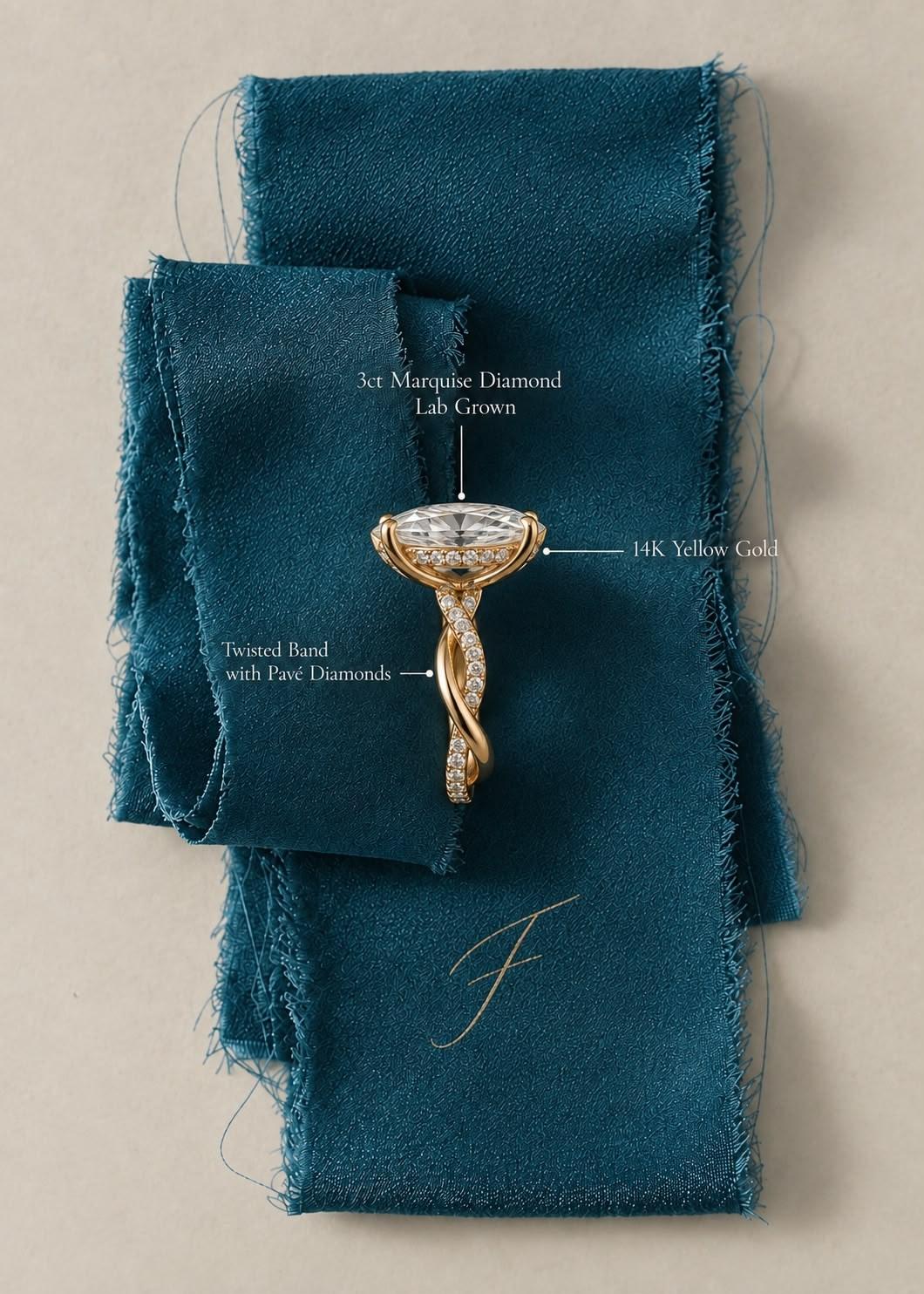
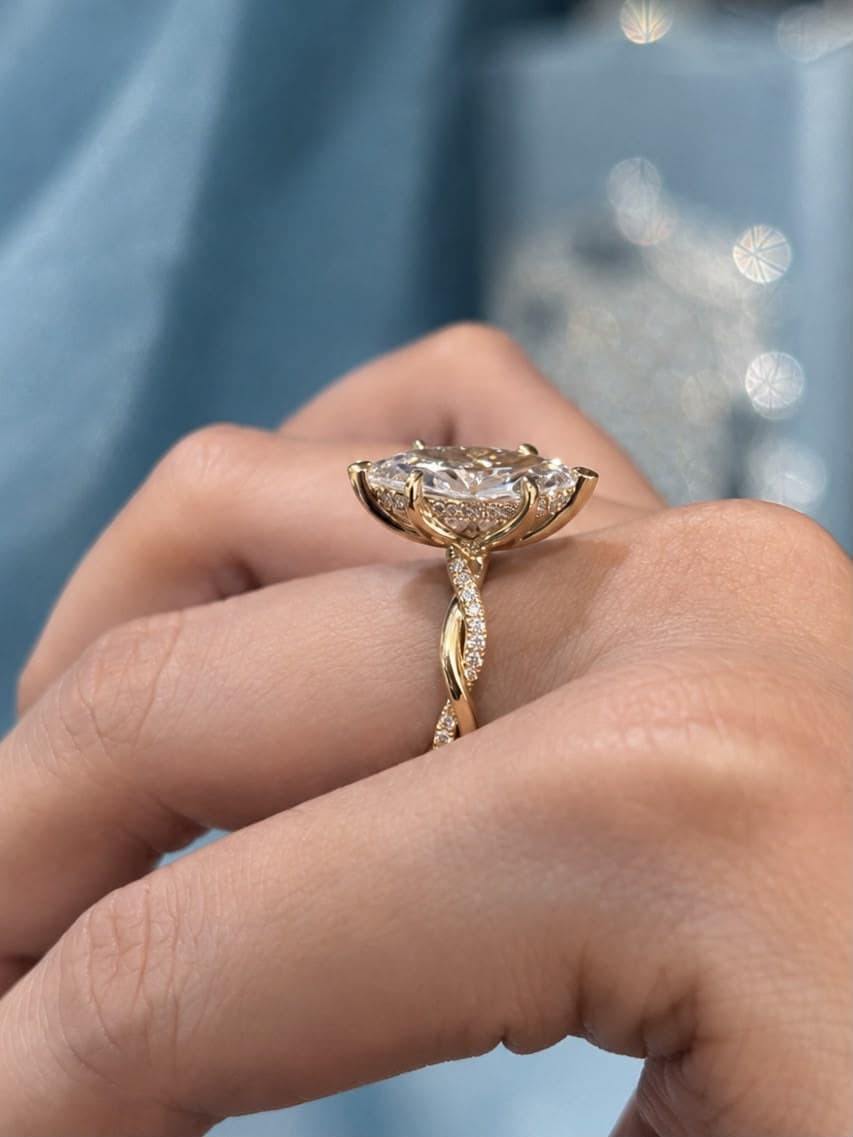
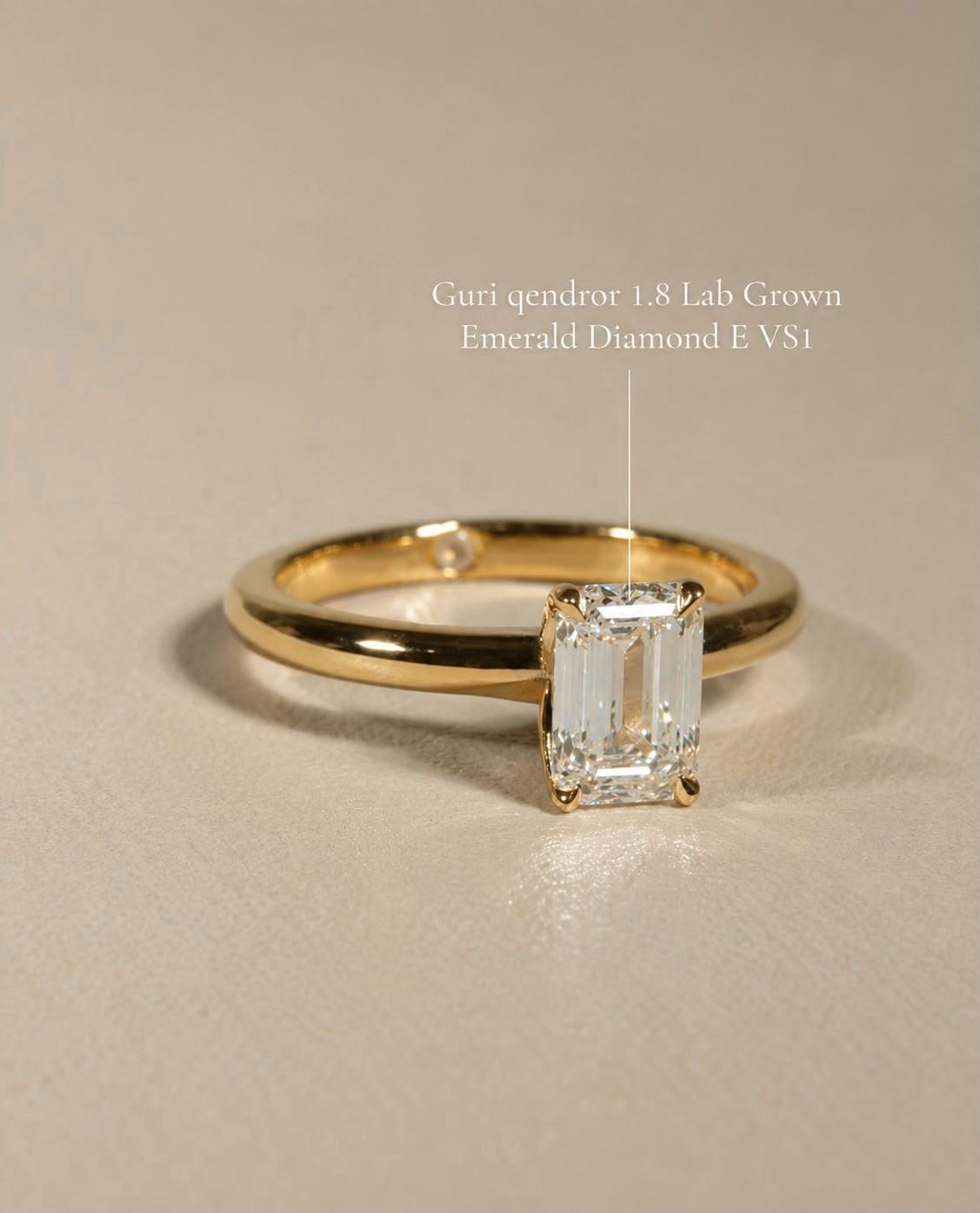
you want the most diamond for your budget: a larger stone, a finer grade, or both. Our Marquise and Emerald Solitaire are both shown with lab-grown stones.
Choose natural if
the idea of something formed by the earth over millions of years means something to you, or you'd like a stone with rarity as part of its story.
Either way
the setting, the gold and the care that go into your ring are the same. We'll quote both if you're undecided, so you can compare honestly.
Certificates: IGI and GIA
Our lab-grown diamonds are certified by IGI (International Gemological Institute) and our natural diamonds by GIA (Gemological Institute of America). Both are independent laboratories, and neither sells diamonds. They grade the stone and issue a report with a unique number, so what you're told about your diamond can be checked by anyone.
Reading the grades
Colour
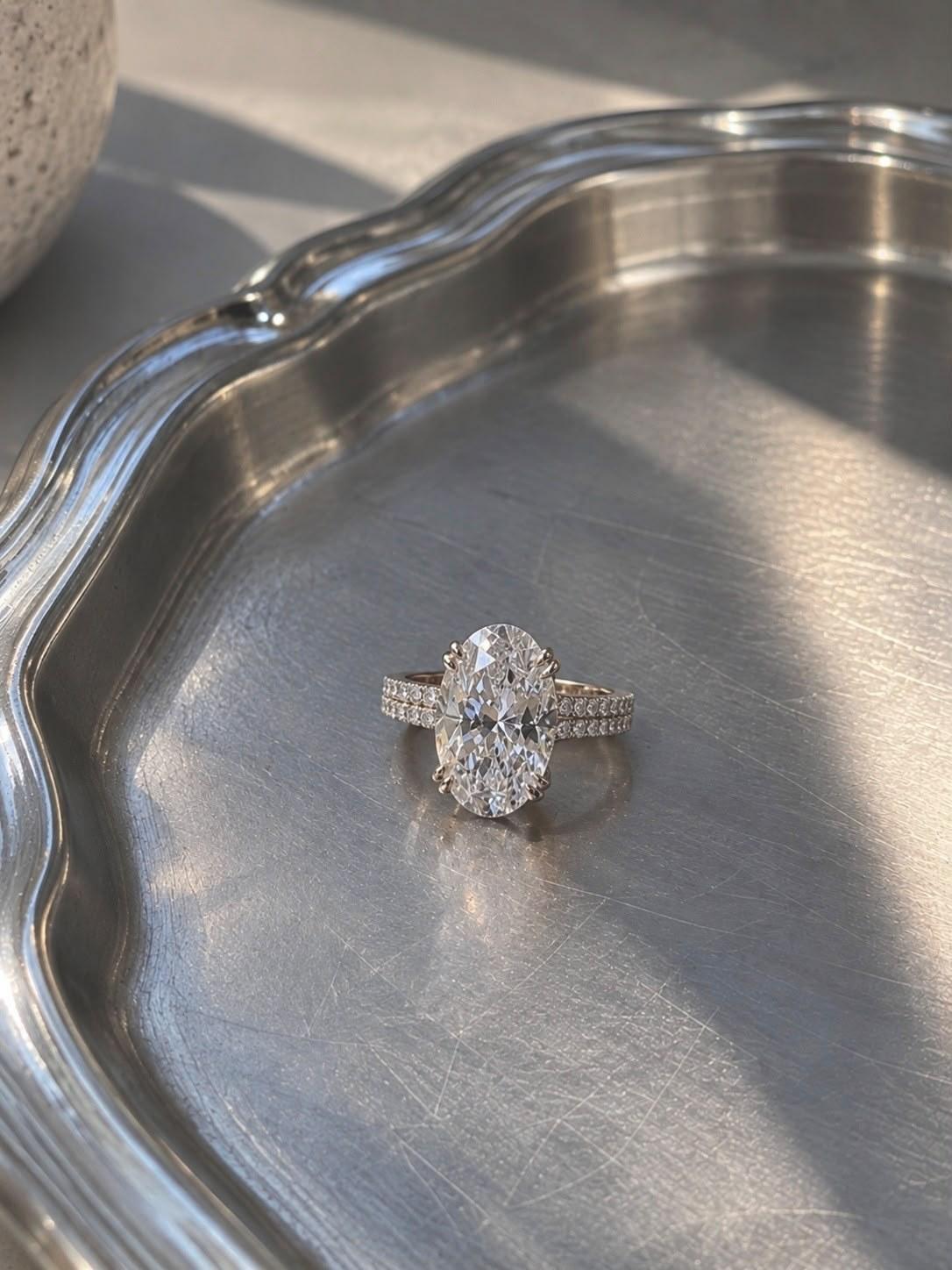
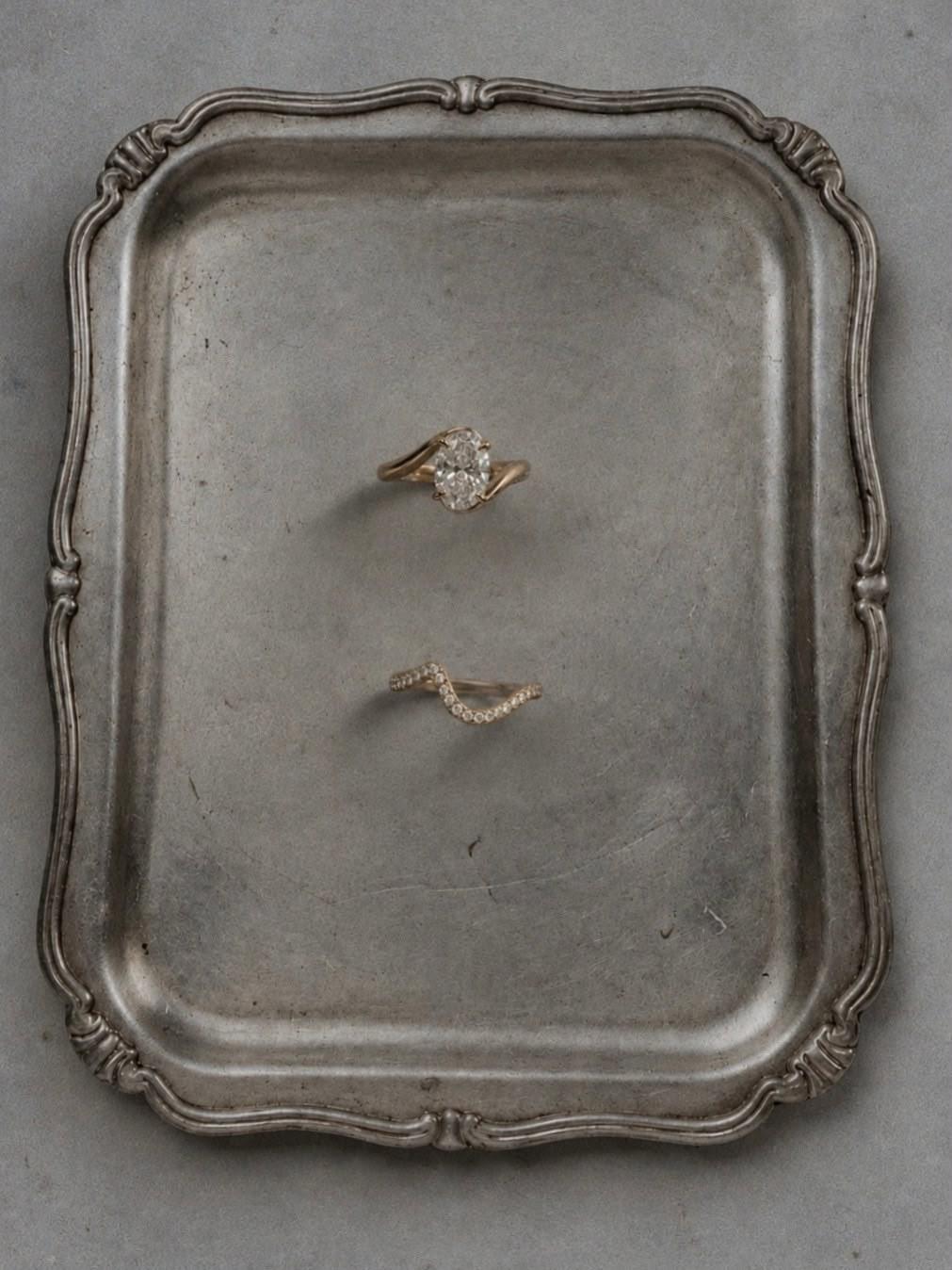
Graded from D (completely colourless) downwards. D, E and F are the colourless range, and a stone graded E, like the centre of The Oval, looks icy white.
Clarity
How clean the stone is inside. VVS1 and VVS2 (very, very slightly included) and VS1 and VS2 (very slightly included) all look clean to the eye. The difference shows under magnification, not on the hand.
Carat
Weight, not size. Two stones of the same carat can look different depending on the shape and how they are cut. An oval or marquise often looks larger than a round of the same weight.
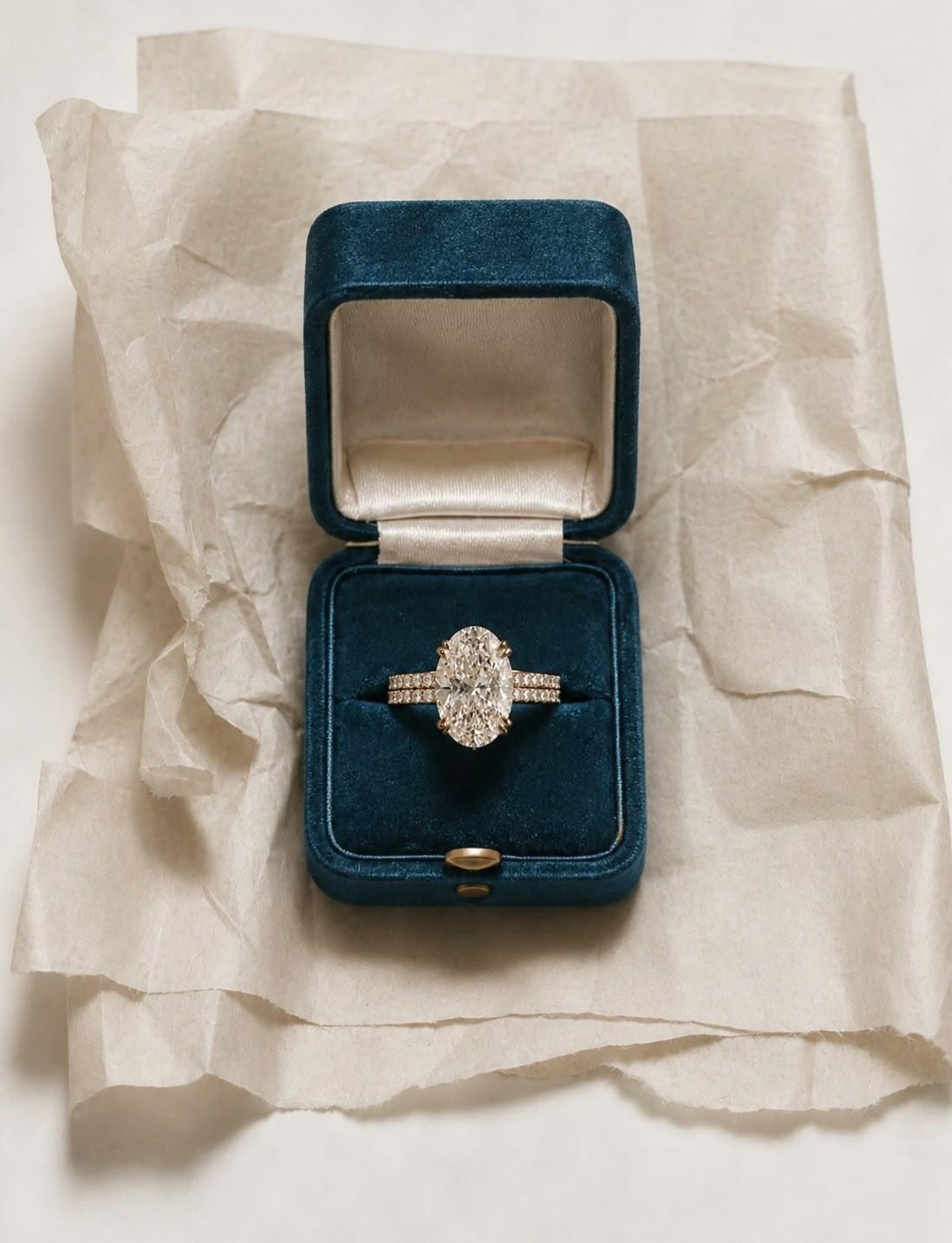
Your certificate travels with your ring in a string-tie FLORA envelope. Keep it somewhere safe. It is useful for insurance and, one day, for the next person the ring is passed to.
Pieces from this story
Shop all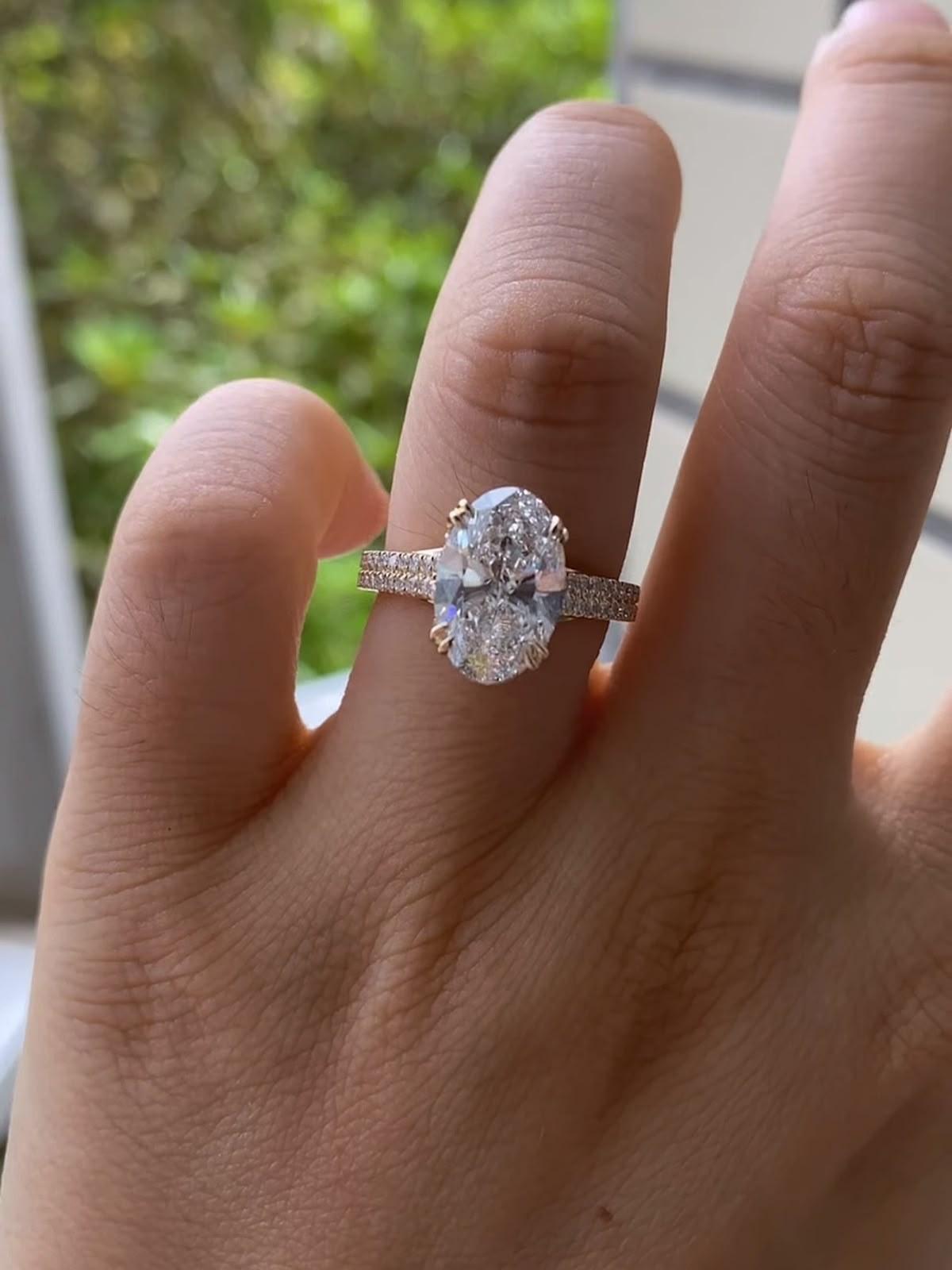
More than a piece of jewellery. A part of your story.