Guides2 min read
How to choose a diamond shape
The shape is the first thing anyone notices, and the thing you will look at most. A short guide to choosing it well.
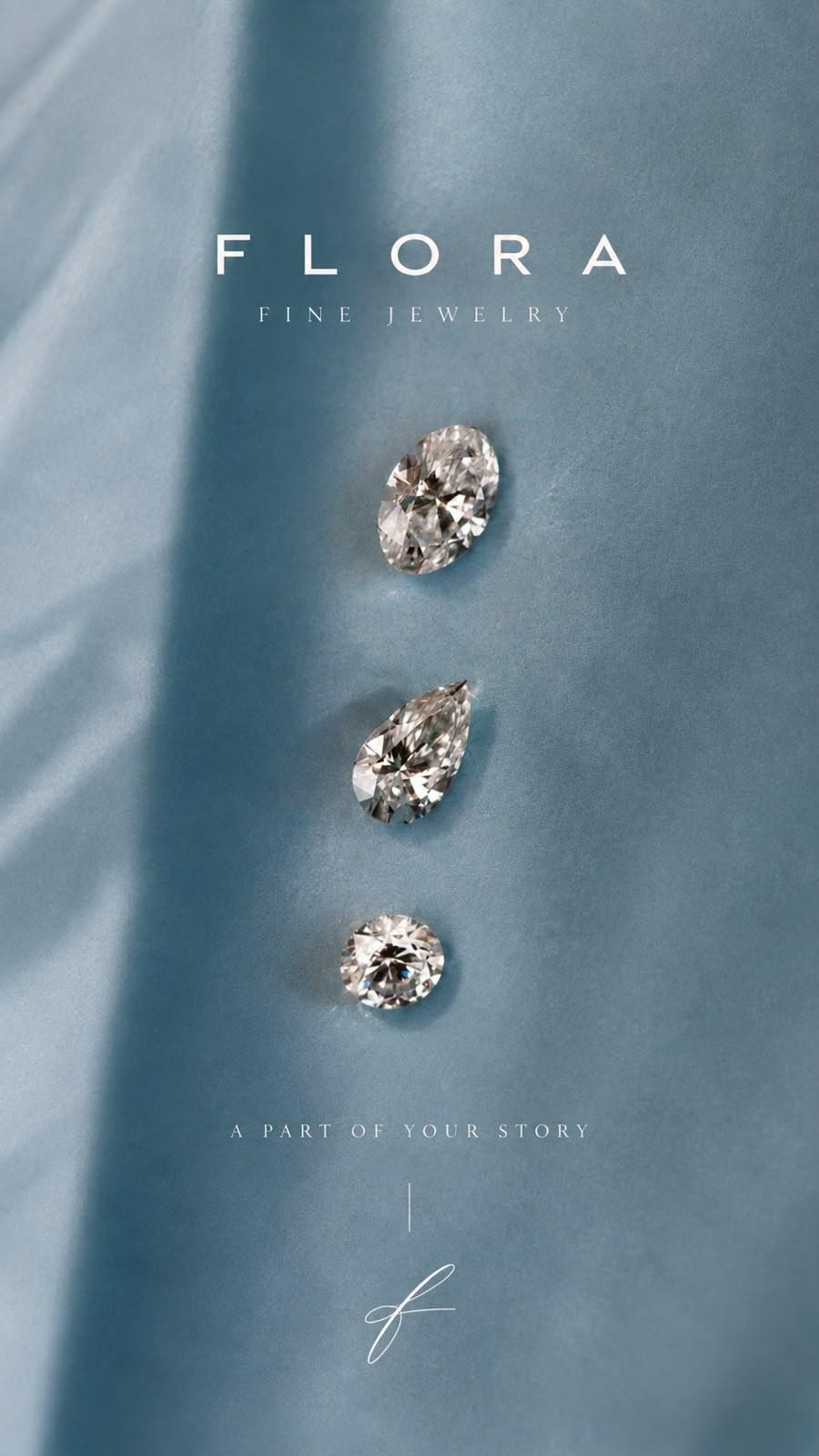
Before carats and grades, there is shape. It sets the mood of the whole ring: soft or sharp, classic or a little unexpected. It also changes how large a stone looks, how it catches light and which settings suit it. There is no right answer, only the one you keep coming back to.
Start with how it looks on you
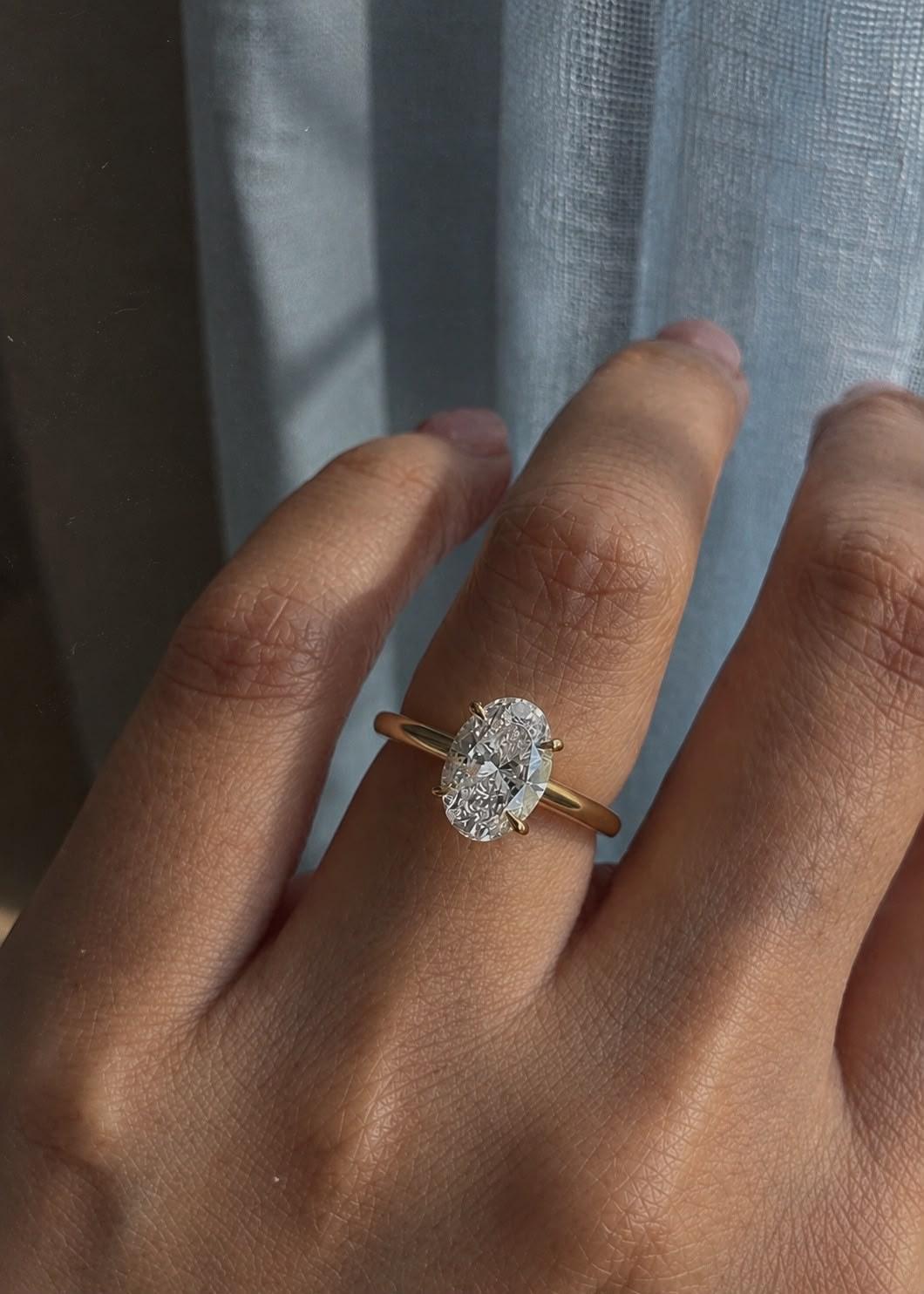
Elongated shapes such as oval, marquise, pear and emerald draw the eye along the finger, so hands tend to look longer and slimmer. Round and other compact shapes sit neatly and read as quietly classic. If you can, save photos of rings on hands, not on white backgrounds. The ring you picture is always on someone.
The shapes we love working with
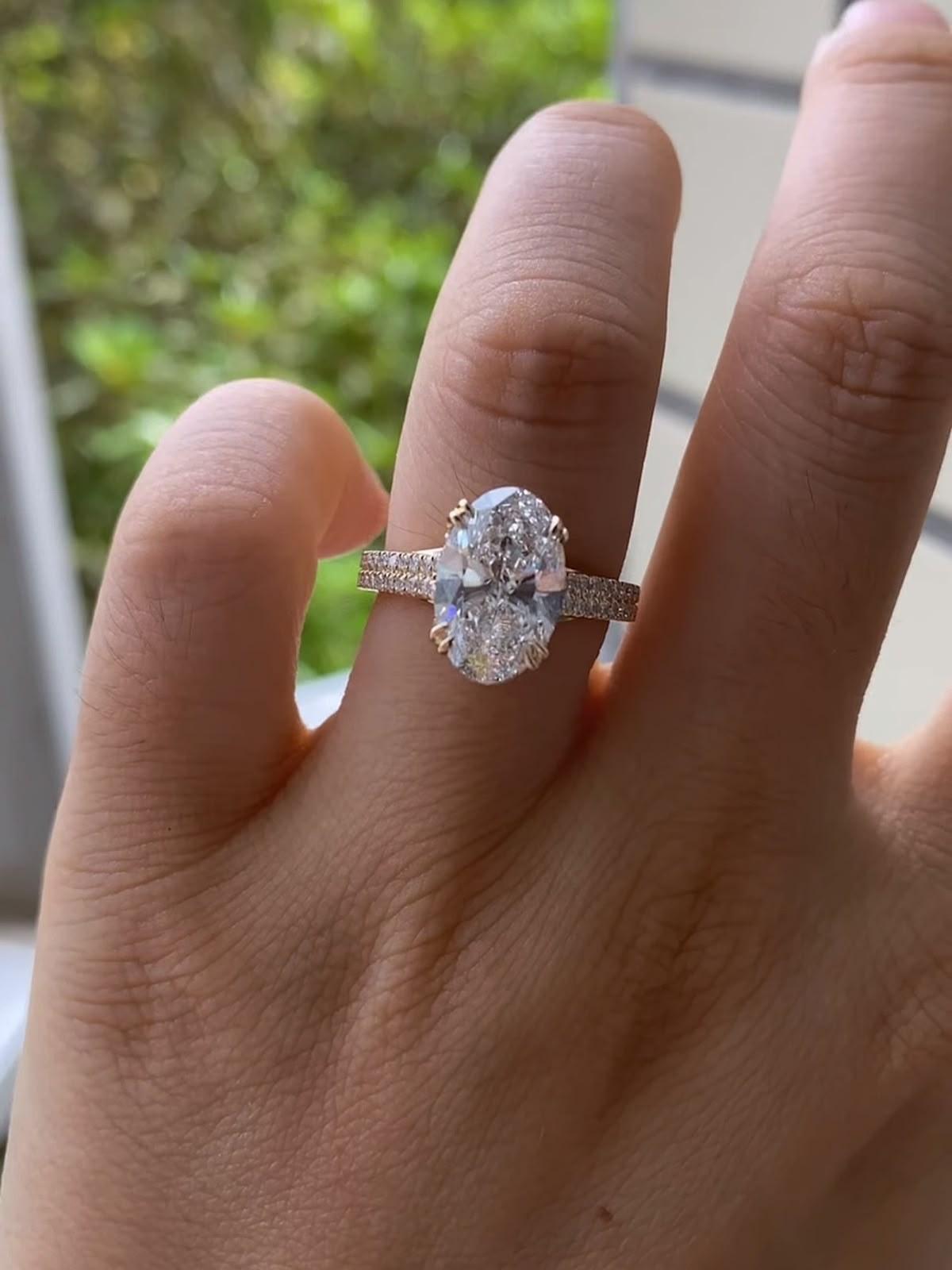
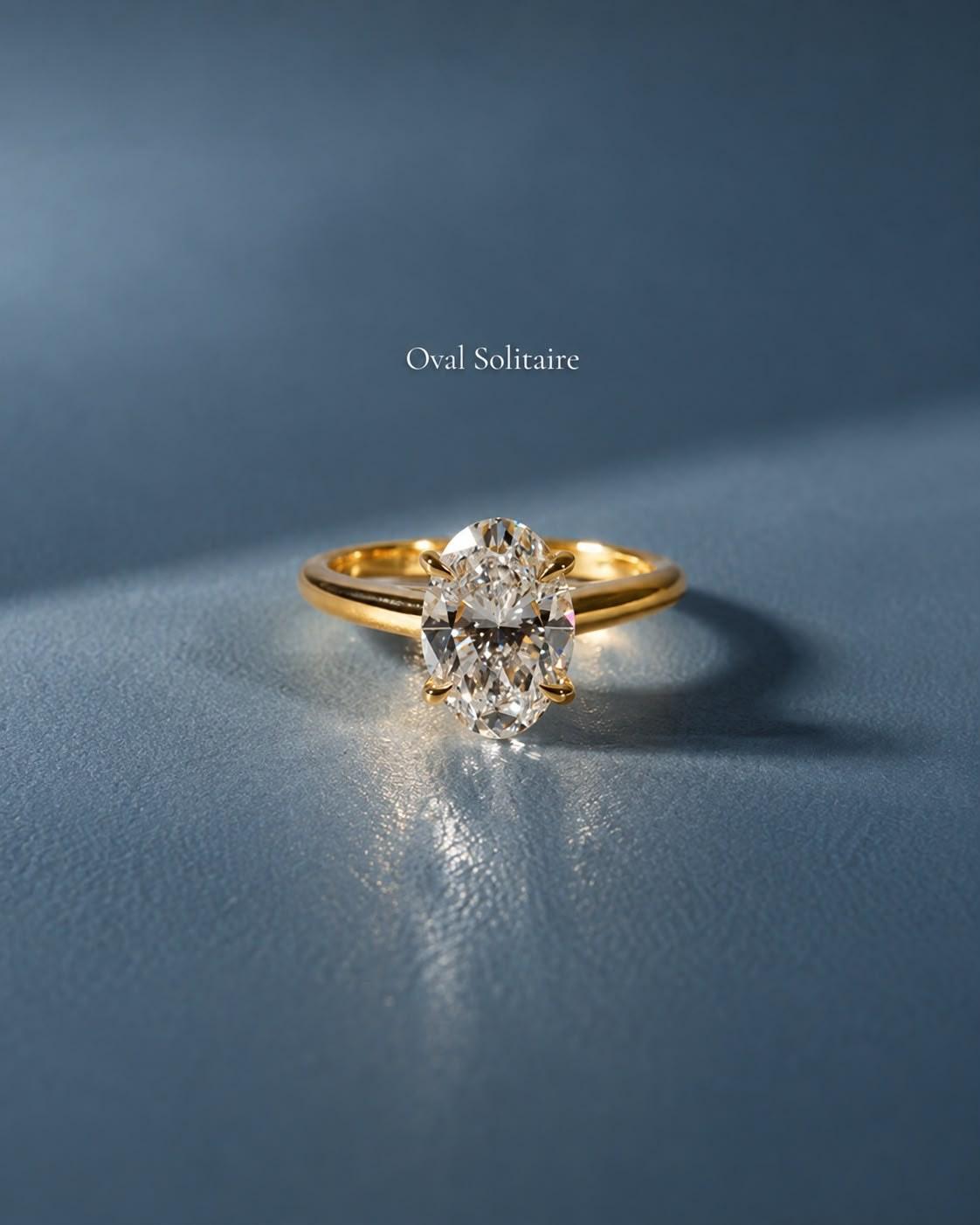
Oval
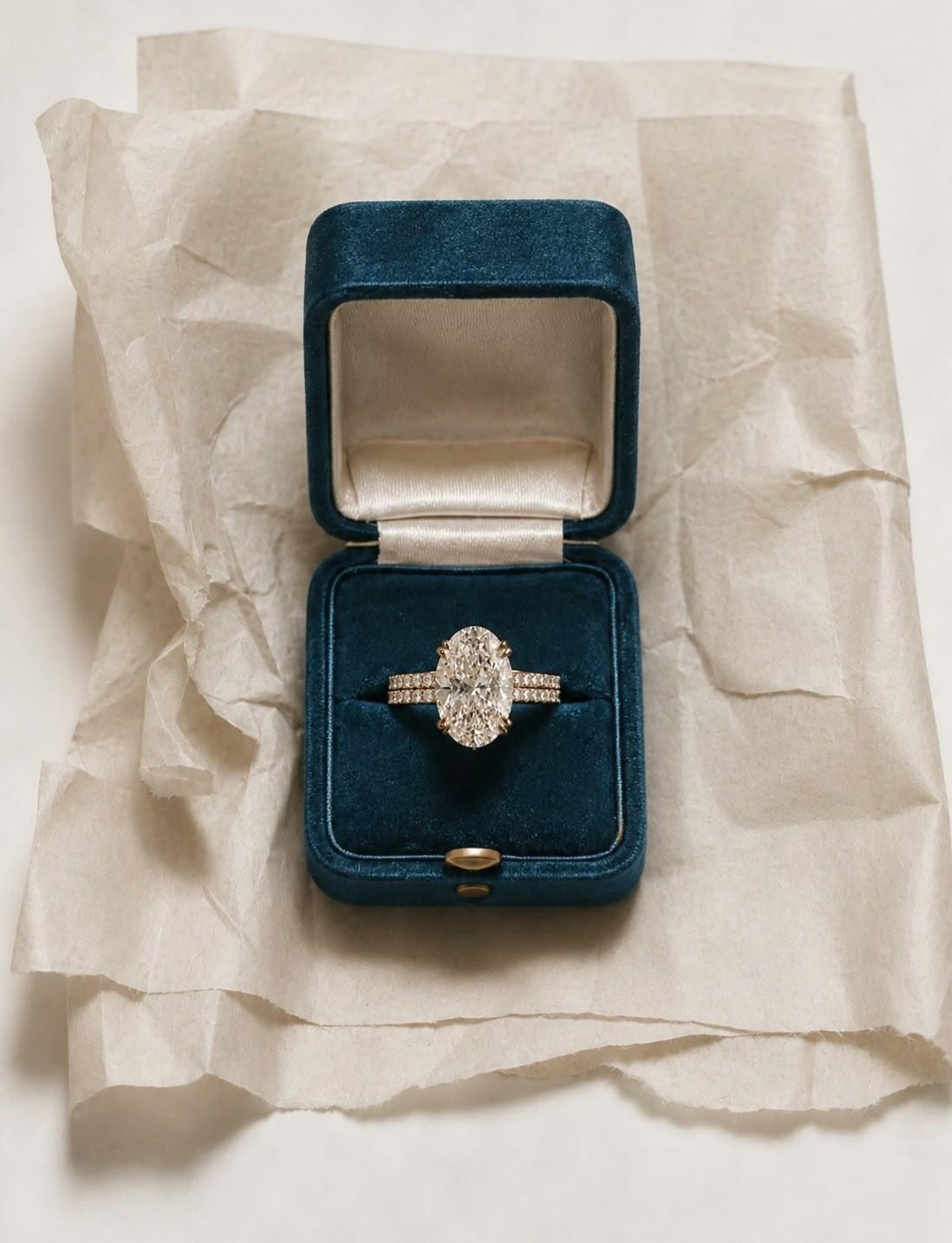
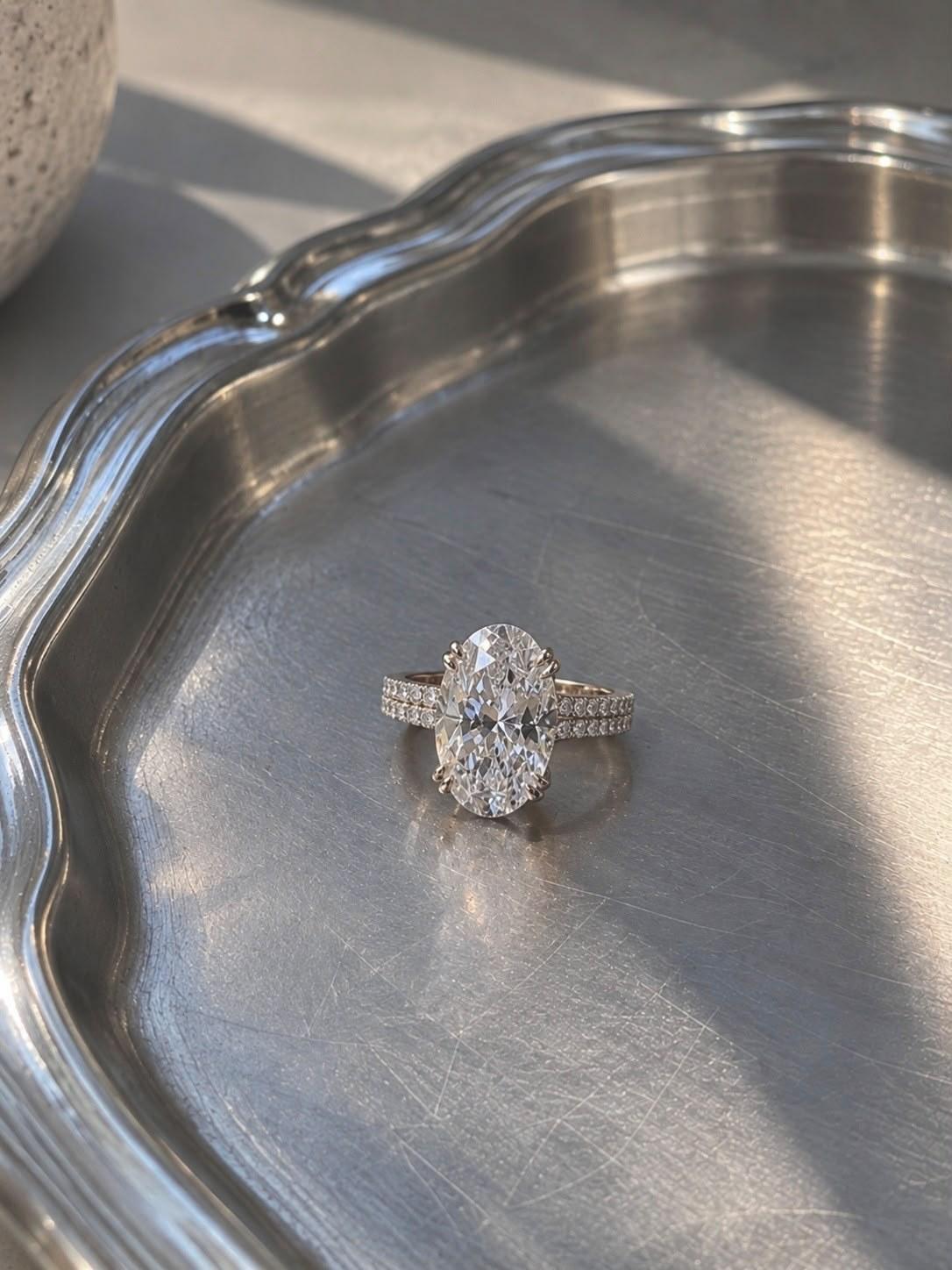
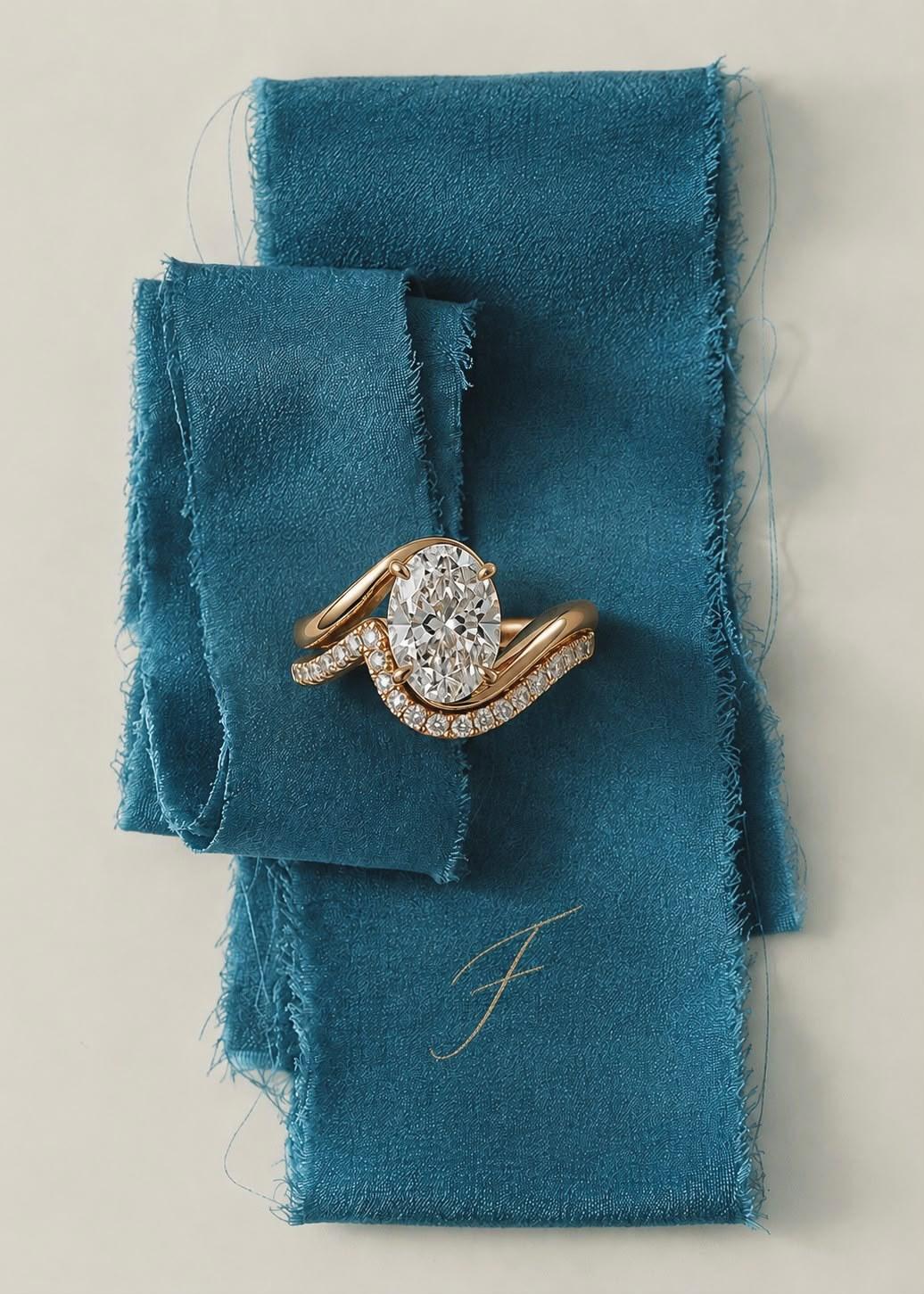
Soft, elongated and brilliant. An oval usually looks larger than a round of the same weight because more of it faces up. It is our most-asked-for shape, and it suits a slim pavé band as easily as a bypass setting that wraps around it.
Marquise
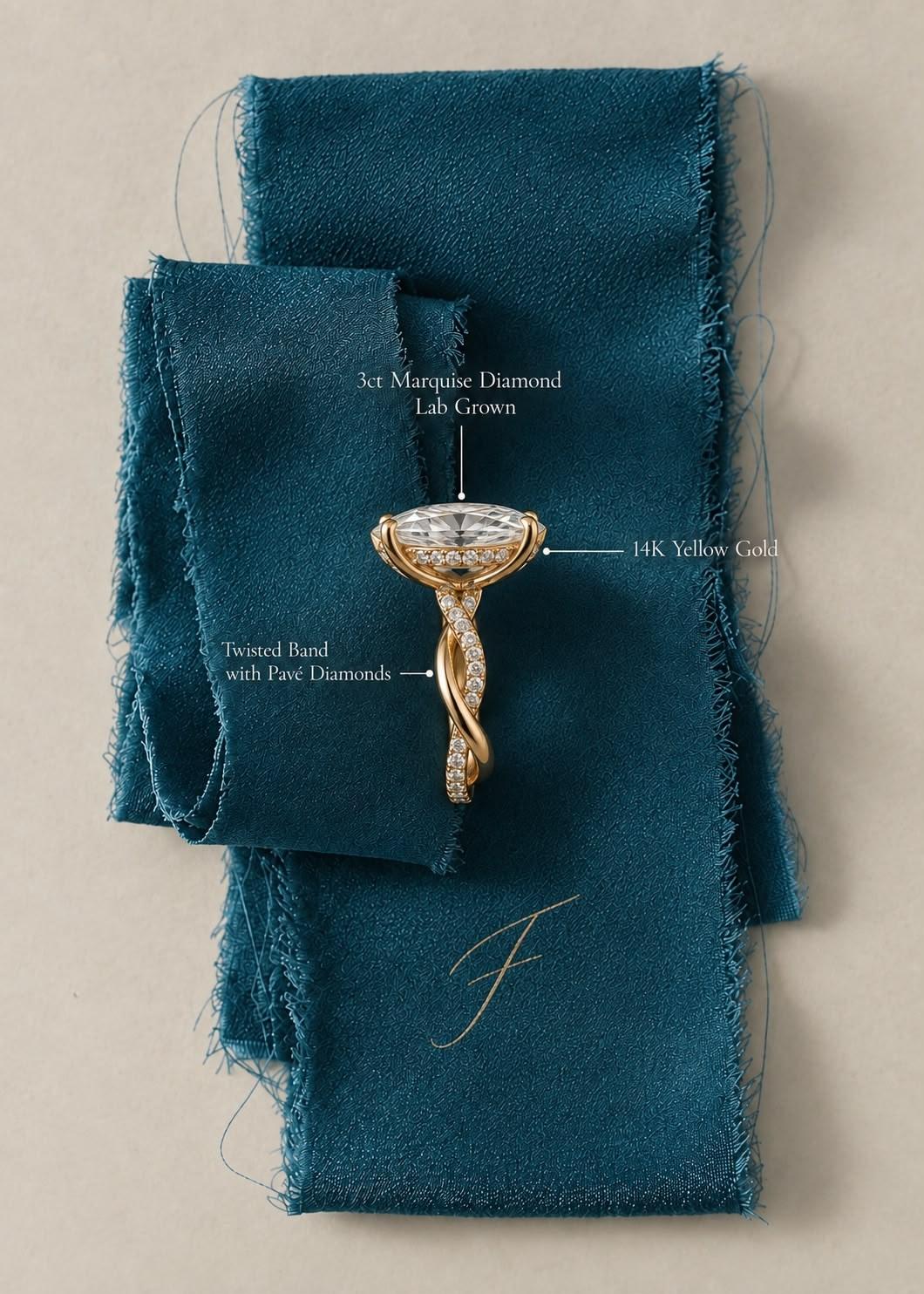
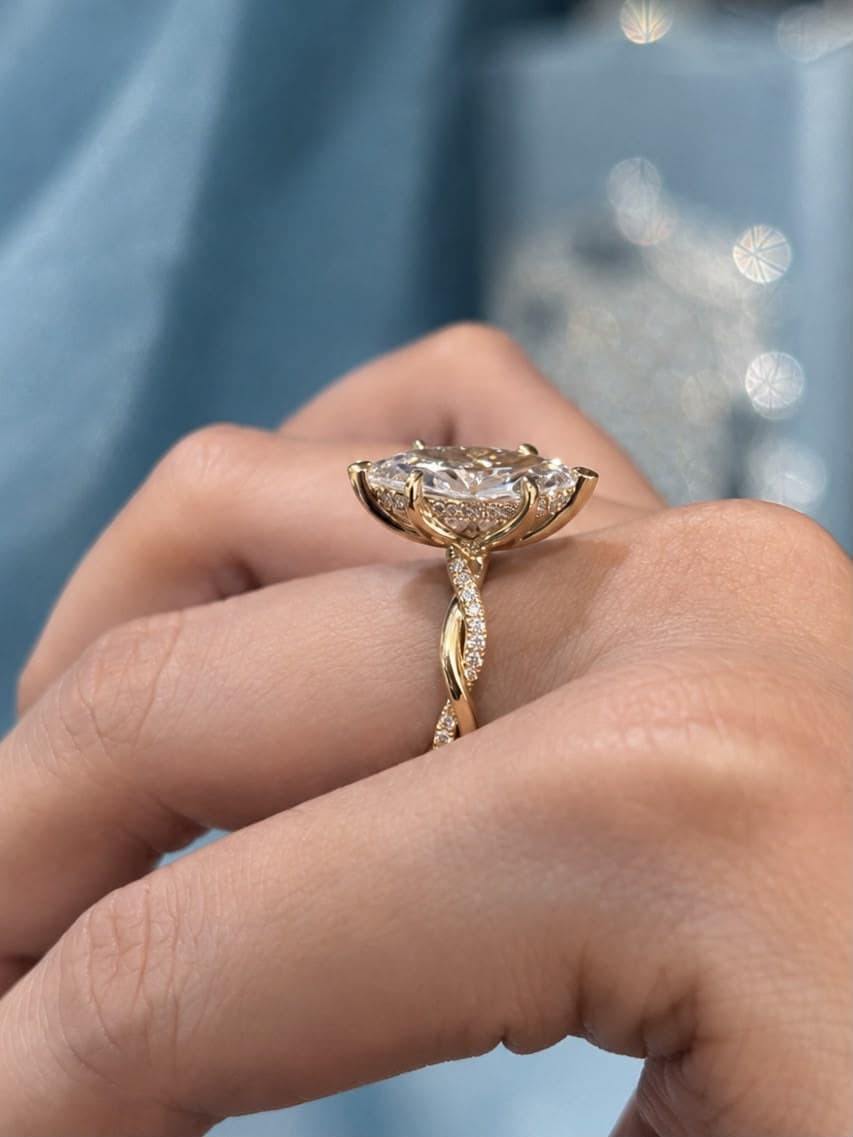
Long, pointed and a little unexpected. A marquise has the most spread for its weight of any classic shape, and its points give it a vintage, almost botanical feel. The points are delicate, so they're best protected by claws.
Emerald
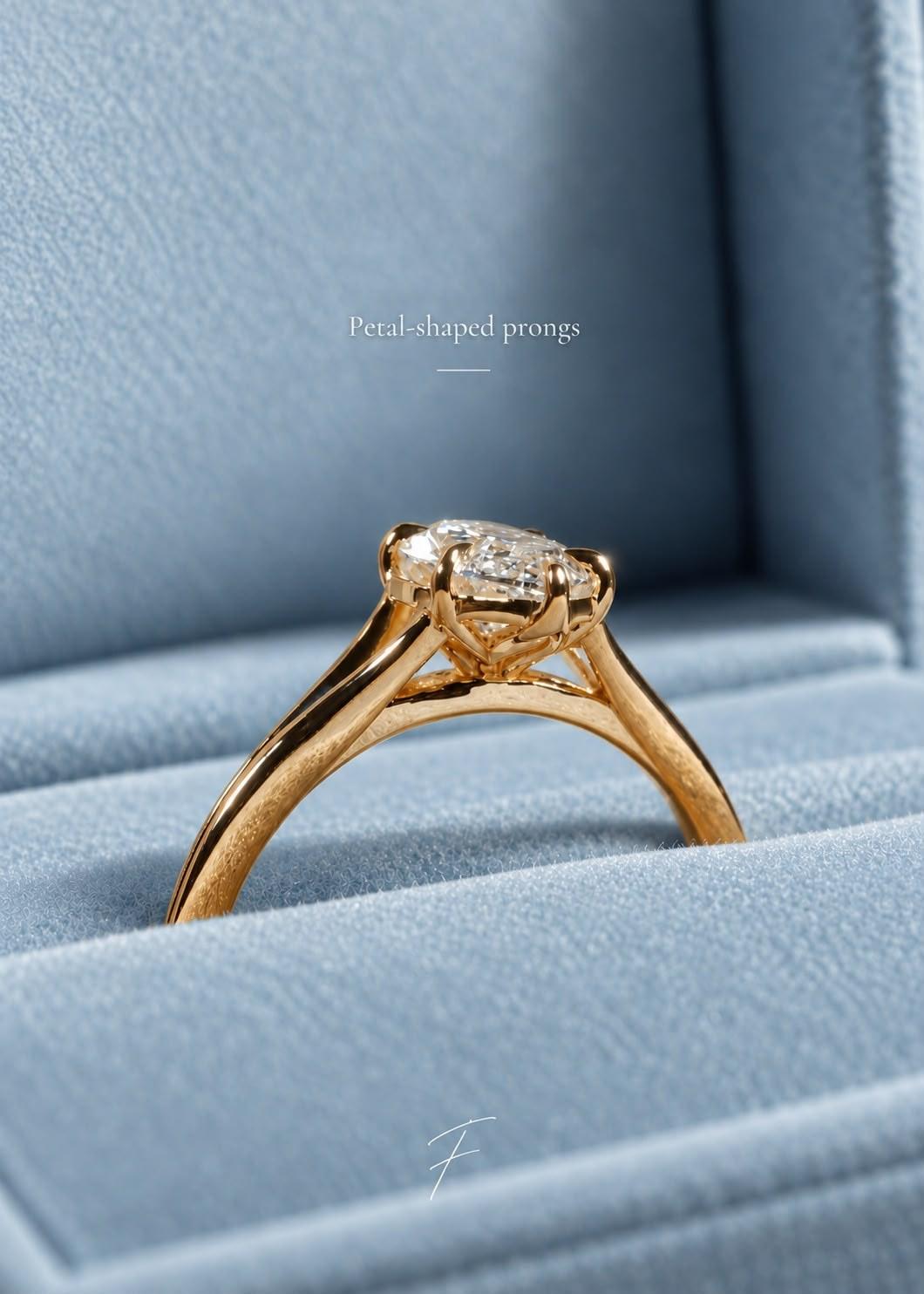
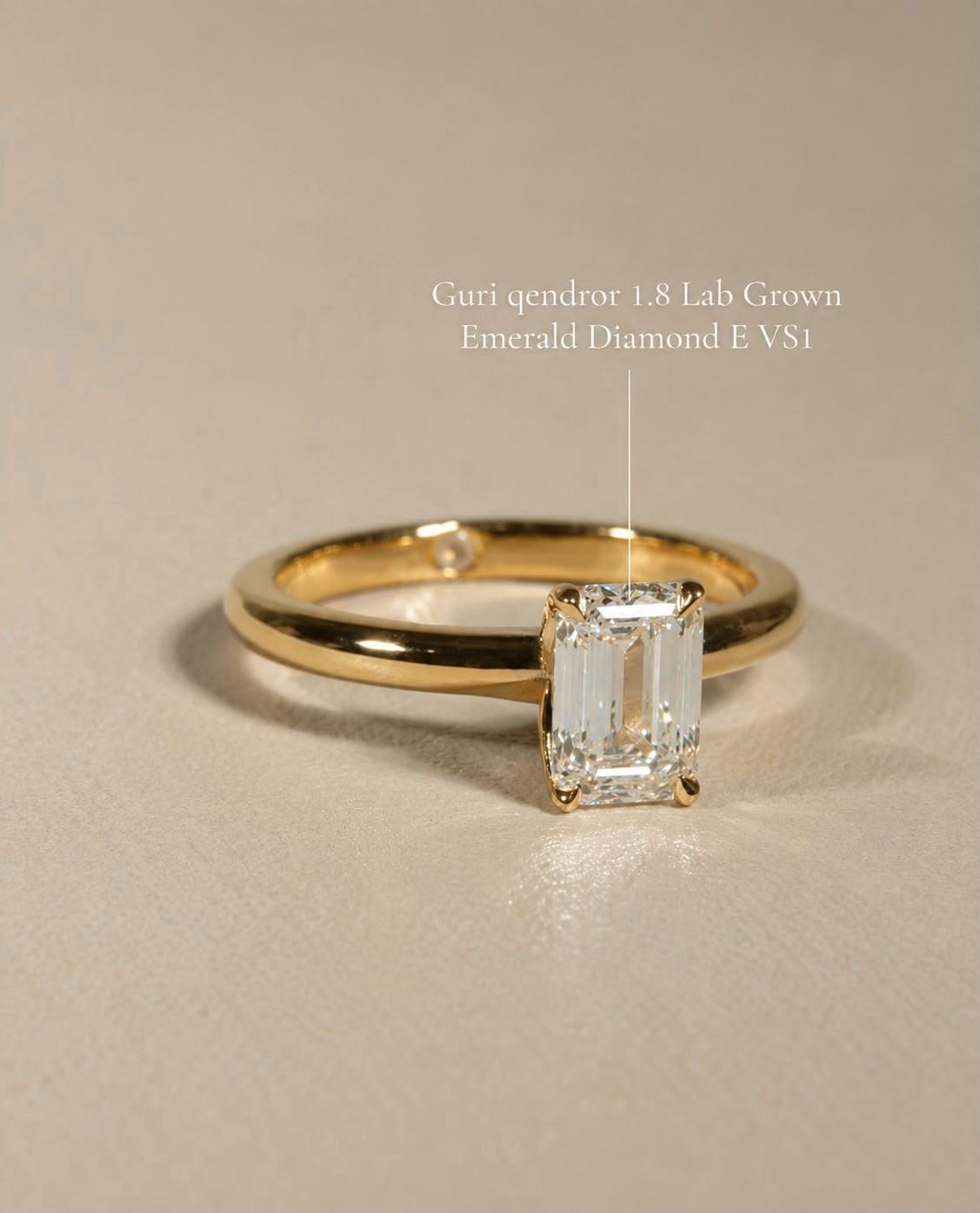
A step cut with long, clean facets that flash rather than sparkle, like a hall of mirrors. Because those open facets show the inside of the stone clearly, clarity matters more here. Our Emerald Solitaire is shown with an E VS1 lab-grown stone.
Round
The most brilliant of all, cut to return as much light as possible. Timeless in a solitaire, and the stone we use most for pavé bands and accents.
Pear
Half round, half marquise: a teardrop with one soft end and one point. It is romantic and elongating, and it looks lovely worn with the point towards the fingertip.
What to look for in elongated shapes
Ovals, marquises and pears can show a darker band across the middle, called a bow-tie. A little is natural and gives the stone character. Too much looks like a shadow. That's why it's worth seeing a stone face up before you decide. Ask us for a photo or video, which tells you more than any grade.
Proportions matter too. A length-to-width ratio is simply how long a stone is compared with how wide. A longer oval feels sleeker and more modern, and a rounder one feels softer. Neither is better, so tell us which you're drawn to.
Let the setting finish the thought
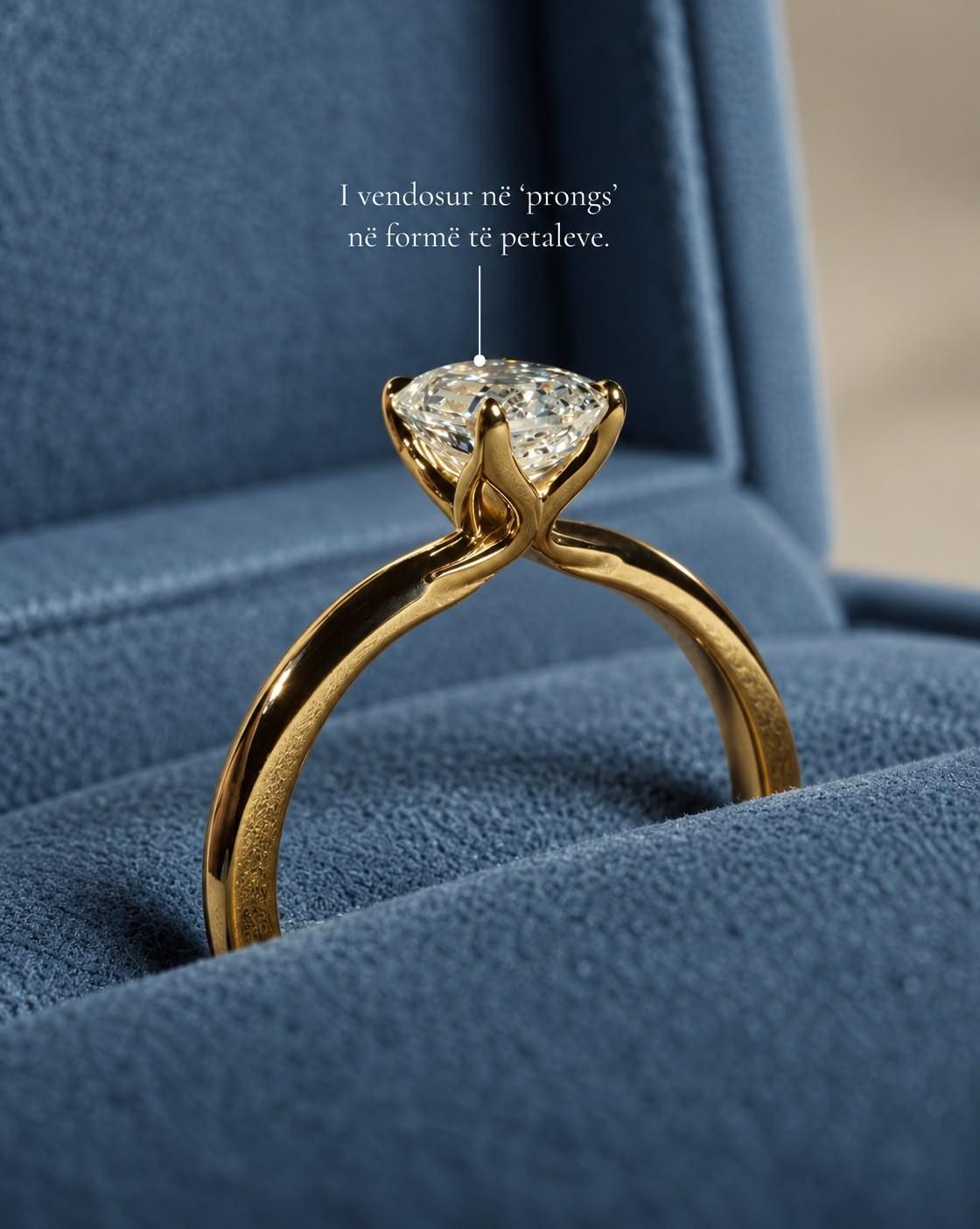
The same stone can feel completely different in another setting. The Oval sits in a bypass shank that curves around it. The Marquise rests on a twisted pavé band. The Emerald Solitaire is held by petal-shaped prongs, a small detail you only notice up close.
One shape, four ways
Shop all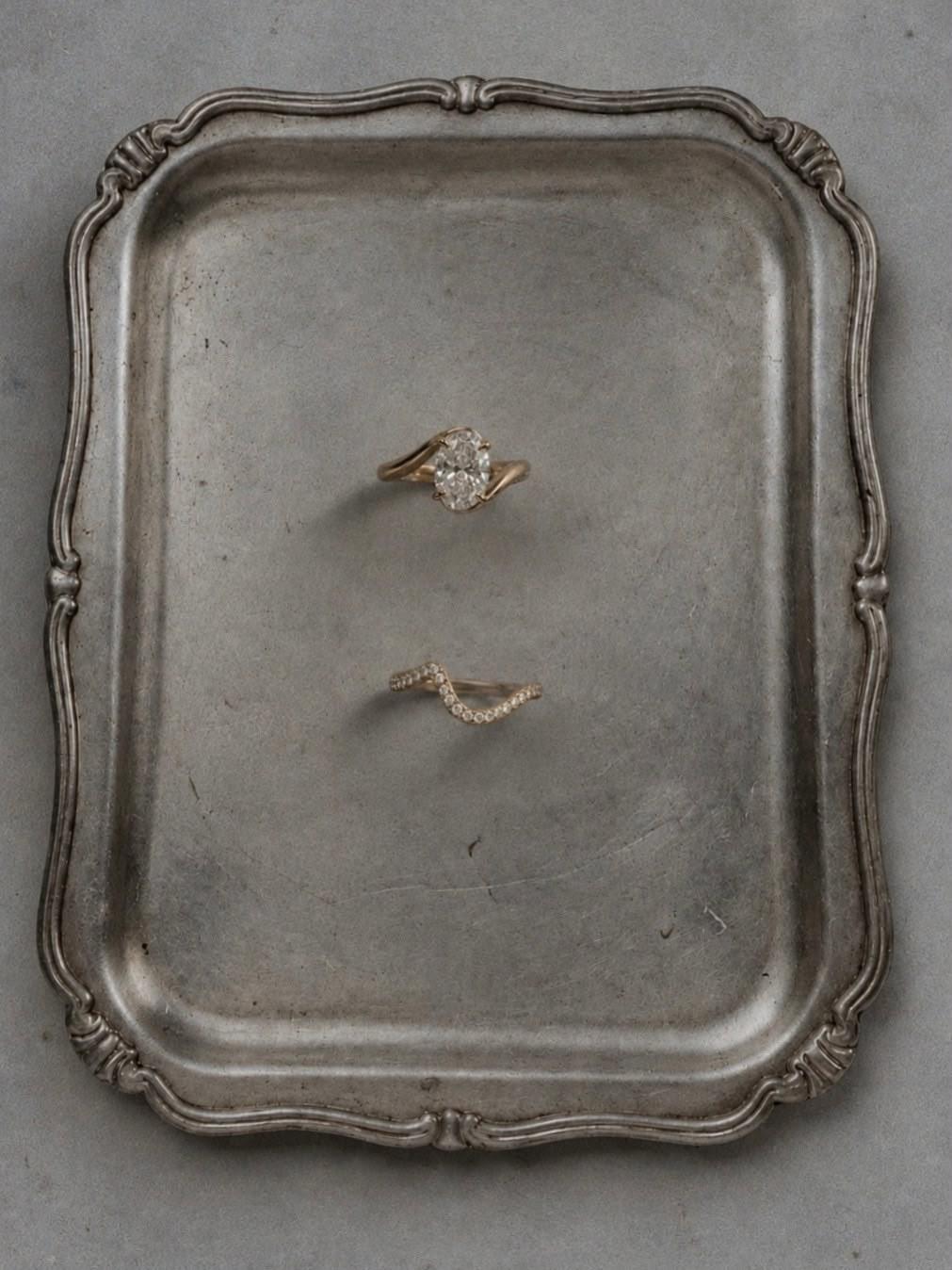
More than a piece of jewellery. A part of your story.